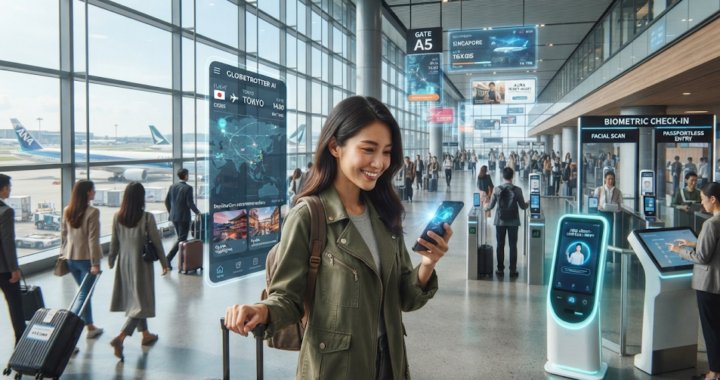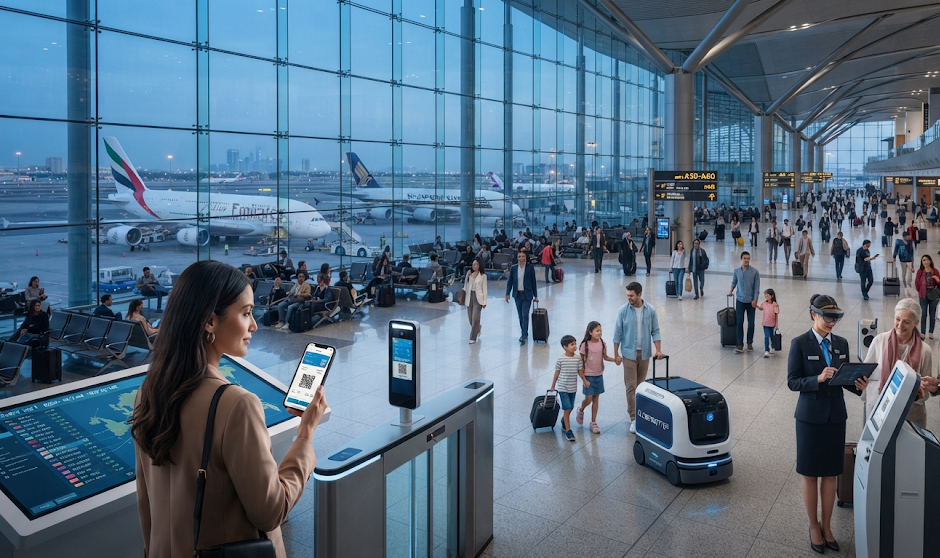
Travel has always been one of the most enriching experiences in human life. It allows people to explore new destinations, discover different cultures, meet diverse communities, and create lifelong memories. Over the years, the travel industry has undergone remarkable transformations. From handwritten tickets and travel agents to online bookings and digital check-ins, technology has continuously reshaped the way people travel.
Today, we are entering a new era where smart technologies are revolutionizing every aspect of travel. Artificial intelligence, big data, cloud computing, mobile applications, virtual reality, and automation are making travel faster, safer, more convenient, and highly personalized. Modern travelers expect seamless experiences, instant information, and customized recommendations throughout their journeys.
The future of travel in a smart digital world promises even greater innovation. From intelligent trip planning and smart airports to AI-powered customer service and sustainable tourism solutions, technology is creating a travel ecosystem that is more connected than ever before.
The Digital Transformation of the Travel Industry
The travel industry has embraced digital transformation at an unprecedented pace. Travelers no longer rely solely on brochures, travel agencies, or printed maps. Instead, smartphones and digital platforms have become essential travel companions.
Today, travelers can:
- Research destinations instantly
- Compare hotel and flight prices
- Read customer reviews
- Book accommodations online
- Access digital boarding passes
- Receive real-time travel updates
- Navigate unfamiliar cities using mobile apps
Digital technologies have streamlined travel processes and empowered travelers with greater control over their journeys.
As innovation continues, the travel industry is becoming smarter, more efficient, and increasingly customer-focused.
Smarter Travel Planning Through Technology
Planning a trip once required extensive research and significant effort. Travelers had to visit travel agencies, collect brochures, compare multiple options manually, and spend hours organizing itineraries.
Modern technology has simplified this process dramatically.
Personalized Travel Recommendations
Advanced algorithms analyze user behavior, preferences, and past travel history to suggest destinations, accommodations, and activities tailored to individual interests.
For example:
- Adventure enthusiasts receive recommendations for hiking destinations.
- Beach lovers see tropical getaway suggestions.
- Food enthusiasts discover culinary tourism opportunities.
- Family travelers receive child-friendly vacation options.
This level of personalization saves time and improves travel satisfaction.
AI-Powered Trip Planning
Artificial intelligence is becoming a powerful travel planning assistant.
AI tools can:
- Create customized itineraries
- Suggest attractions based on interests
- Optimize travel schedules
- Recommend local experiences
- Identify cost-saving opportunities
Instead of spending days researching, travelers can generate complete travel plans within minutes.
Real-Time Travel Insights
Modern travel platforms provide live information about:
- Weather conditions
- Flight schedules
- Traffic updates
- Tourist attractions
- Safety alerts
Access to real-time data helps travelers make informed decisions throughout their journeys.
The Evolution of Online Booking Systems
Online booking platforms have transformed how people reserve flights, hotels, transportation, and activities.
Instant Booking Convenience
Travelers can now complete reservations within minutes using smartphones or computers.
Benefits include:
- 24/7 availability
- Instant confirmation
- Secure payment options
- Flexible booking management
- Easy cancellations and modifications
This convenience has significantly improved the travel experience.
Dynamic Pricing Technology
Modern booking systems use advanced data analysis to determine pricing.
Factors influencing prices include:
- Seasonal demand
- Market trends
- Availability
- Competitor pricing
- Historical booking patterns
Travelers can benefit from fare prediction tools that help identify the best times to book flights and accommodations.
Mobile Booking Growth
Mobile devices have become the preferred booking channel for many travelers.
Travel apps offer:
- One-click reservations
- Mobile boarding passes
- Digital wallets
- Personalized travel alerts
This trend is expected to continue as mobile technology becomes increasingly sophisticated.
Artificial Intelligence in Travel
Artificial intelligence is one of the most significant innovations shaping the future of travel.
AI Travel Assistants
Virtual assistants can help travelers:
- Find flights
- Book hotels
- Create itineraries
- Answer travel questions
- Manage reservations
These tools operate around the clock, providing instant support whenever needed.
Personalized Experiences
AI can analyze customer preferences and deliver customized travel recommendations.
Examples include:
- Preferred room types
- Favorite destinations
- Dietary requirements
- Transportation preferences
This level of personalization enhances customer satisfaction and loyalty.
Predictive Travel Services
AI systems can predict traveler needs before they arise.
For example:
- Suggesting alternate routes during delays
- Recommending nearby attractions
- Providing weather-based activity suggestions
Predictive services help create smoother travel experiences.
Smart Airports and Seamless Travel
Airports are becoming increasingly intelligent through digital transformation.
Automated Check-In Systems
Self-service kiosks and mobile check-in options reduce waiting times and improve efficiency.
Travelers can:
- Check in online
- Select seats
- Print baggage tags
- Receive boarding passes digitally
This eliminates many traditional airport hassles.
Biometric Identification
Facial recognition and biometric verification are enhancing airport security and convenience.
Benefits include:
- Faster identity verification
- Reduced paperwork
- Shorter queues
- Enhanced security
Biometric systems are expected to become standard across major airports worldwide.
Smart Security Screening
Advanced screening technologies allow airports to process passengers more efficiently while maintaining high security standards.
This creates a better balance between safety and convenience.
Smart Transportation Solutions
Transportation is becoming increasingly connected and efficient.
Ride-Sharing Innovations
Mobile applications have revolutionized local transportation.
Travelers can instantly:
- Request rides
- Compare prices
- Track drivers
- Make cashless payments
This convenience has transformed urban travel worldwide.
Autonomous Vehicles
Self-driving technology may significantly impact future travel.
Potential benefits include:
- Reduced accidents
- Improved efficiency
- Greater accessibility
- Lower transportation costs
Although widespread adoption is still developing, autonomous transportation represents a major future trend.
Smart Public Transport
Digital technologies are improving public transportation systems through:
- Real-time schedules
- Mobile ticketing
- Route optimization
- Passenger information systems
These improvements encourage sustainable urban mobility.
Enhanced Customer Service in Travel
Customer support remains a crucial component of the travel experience.
24/7 Digital Support
Modern travel companies provide round-the-clock assistance through:
- Live chat systems
- Virtual assistants
- Mobile applications
- Automated support platforms
Travelers can receive help regardless of time zone or location.
Faster Issue Resolution
Digital tools help companies quickly address:
- Flight changes
- Booking modifications
- Refund requests
- Travel disruptions
This reduces stress and improves customer satisfaction.
Multilingual Assistance
Language barriers are decreasing thanks to advanced communication technologies.
Many support systems now offer:
- Instant translations
- Multilingual chat support
- Voice translation features
This makes travel more accessible for international visitors.
Virtual Reality and Augmented Reality in Travel
Immersive technologies are creating new possibilities for travelers.
Virtual Destination Exploration
Virtual reality allows users to explore destinations before booking.
Potential uses include:
- Virtual hotel tours
- Destination previews
- Interactive travel experiences
- Cultural exploration
This helps travelers make more informed decisions.
Augmented Reality Navigation
AR technology can provide:
- Real-time directions
- Landmark information
- Historical facts
- Interactive city guides
Travelers gain valuable information directly through their mobile devices.
Smart Hotels and Accommodation
Hotels are embracing technology to improve guest experiences.
Contactless Check-In
Guests can check in using mobile devices without visiting reception desks.
Benefits include:
- Faster arrivals
- Reduced waiting times
- Greater convenience
Smart Rooms
Modern hotel rooms may feature:
- Voice-controlled systems
- Automated lighting
- Smart thermostats
- Personalized entertainment
These technologies create more comfortable stays.
Personalized Hospitality
Hotels use customer data to tailor experiences according to guest preferences.
Examples include:
- Preferred room settings
- Customized recommendations
- Personalized welcome services
This enhances overall guest satisfaction.
Travel Safety in the Digital Era
Safety remains a top priority for travelers.
Real-Time Alerts
Digital platforms provide instant notifications about:
- Weather events
- Natural disasters
- Security concerns
- Health advisories
This helps travelers make safer decisions.
Emergency Assistance
Travel apps increasingly offer:
- Emergency contact services
- Medical assistance information
- Location sharing
- Crisis support
These features improve traveler safety.
Secure Payment Systems
Advanced payment technologies reduce fraud risks and improve transaction security.
Travelers benefit from:
- Encrypted payments
- Digital wallets
- Contactless transactions
- Fraud monitoring systems
Breaking Language Barriers
Communication challenges have traditionally been one of the biggest obstacles in international travel.
Real-Time Translation
Translation apps now allow travelers to:
- Translate conversations
- Read signs and menus
- Understand local information
This significantly improves travel experiences.
Voice Recognition Technology
Advanced voice translation tools make communication more natural and effective.
Travelers can interact confidently even in unfamiliar environments.
Sustainable Travel Through Smart Technology
Sustainability is becoming increasingly important in the travel industry.
Reducing Environmental Impact
Technology helps optimize:
- Transportation routes
- Energy consumption
- Resource management
This contributes to greener travel experiences.
Smart Tourism Management
Digital systems can help destinations manage visitor flows and reduce overcrowding.
Benefits include:
- Better visitor experiences
- Protection of natural resources
- Preservation of cultural heritage
Eco-Friendly Travel Recommendations
Travel platforms increasingly promote:
- Sustainable accommodations
- Green transportation options
- Responsible tourism activities
This encourages environmentally conscious travel.
Challenges of a Digital Travel World
While technology offers numerous advantages, it also presents challenges.
Data Privacy Concerns
Travel companies collect significant amounts of personal information.
Concerns include:
- Data security
- User privacy
- Information sharing
- Cybersecurity risks
Organizations must prioritize responsible data management.
Dependence on Technology
Travelers increasingly rely on digital systems.
Potential issues include:
- Internet outages
- System failures
- Technical disruptions
- Cyberattacks
Backup solutions remain essential.
Loss of Human Interaction
Automation improves efficiency but can reduce personal connections.
Many travelers still value:
- Human guidance
- Personal recommendations
- Face-to-face customer service
Maintaining a balance between technology and human support is important.
Emerging Technologies Shaping Future Travel
Several innovations are expected to redefine travel in the coming years.
Artificial Intelligence Evolution
AI will continue delivering:
- Smarter recommendations
- Better customer service
- Predictive travel assistance
Internet of Things (IoT)
Connected devices will improve:
- Airport operations
- Hotel experiences
- Transportation systems
Blockchain Technology
Blockchain may enhance:
- Secure payments
- Identity verification
- Travel documentation
Smart Cities
Future cities will offer:
- Intelligent transportation
- Digital tourism services
- Enhanced visitor experiences
These developments will create seamless travel ecosystems.
What the Future Traveler Can Expect
The traveler of the future will enjoy:
- Personalized itineraries
- Faster airport experiences
- Automated transportation
- Intelligent accommodations
- Real-time travel assistance
- Enhanced safety measures
- Sustainable travel options
Technology will remove many traditional travel frustrations while creating more enjoyable experiences.
Conclusion
The future of travel in a smart digital world is incredibly exciting. Technology is transforming every stage of the travel journey, from planning and booking to transportation, accommodation, and customer service. Travelers now enjoy greater convenience, personalization, safety, and efficiency than ever before.
Artificial intelligence, smart airports, virtual reality, advanced translation tools, and sustainable tourism technologies are reshaping how people explore the world. While challenges such as privacy concerns and technological dependence remain, the overall benefits far outweigh the drawbacks.
As innovation continues to accelerate, travel will become even more connected, seamless, and personalized. The smart digital world is not simply changing travel—it is redefining the entire travel experience for future generations. Whether for business, leisure, education, or adventure, technology will continue to make global exploration easier, safer, and more rewarding than ever before.