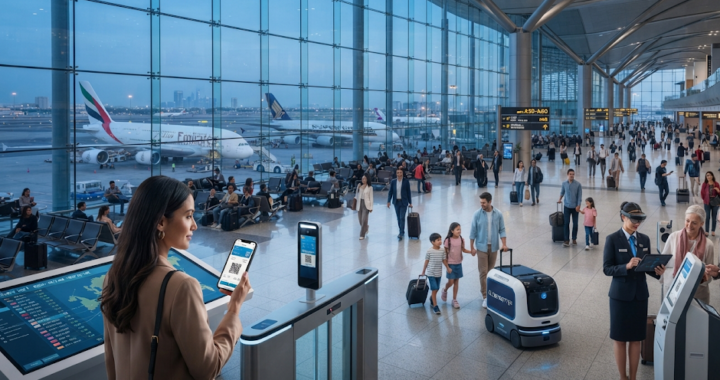
The tourism industry has always embraced innovation to improve the travel experience. From the invention of commercial aviation to the rise of online booking platforms, technology has consistently transformed how people explore the world. Today, a new wave of innovation is reshaping tourism on an unprecedented scale: Artificial Intelligence (AI).
Artificial Intelligence is no longer a futuristic concept. It has become an essential part of modern travel, helping travelers plan trips, book accommodations, navigate destinations, communicate across languages, and receive personalized recommendations. AI-powered technologies are making tourism smarter, more efficient, and more customer-focused than ever before.
From intelligent chatbots and predictive pricing systems to smart airports and virtual travel assistants, AI is influencing nearly every aspect of the travel journey. As the technology continues to evolve, its impact on tourism is expected to grow even further.
Understanding Artificial Intelligence in Tourism
Artificial Intelligence refers to computer systems that can perform tasks that typically require human intelligence. These tasks include learning from data, recognizing patterns, understanding language, solving problems, and making decisions.
In tourism, AI technologies are used to:
- Personalize travel recommendations
- Automate customer support
- Optimize transportation systems
- Improve booking experiences
- Enhance travel safety
- Translate languages
- Predict traveler preferences
- Manage tourism operations efficiently
The goal of AI is to make travel experiences more convenient, enjoyable, and efficient for both travelers and tourism businesses.
How AI Is Transforming the Travel Industry
The travel industry generates enormous amounts of data every day. AI helps analyze this data and turn it into actionable insights that improve customer experiences.
Travel companies use AI to:
- Understand customer behavior
- Improve operational efficiency
- Increase customer satisfaction
- Reduce costs
- Offer personalized services
As a result, travelers enjoy smoother journeys while businesses benefit from better decision-making and higher revenue.
Personalized Travel Planning
One of the most significant advantages of AI in tourism is personalization.
Travel Recommendations Based on Preferences
Modern travelers expect experiences tailored to their interests. AI systems analyze data such as:
- Previous travel history
- Search behavior
- Online reviews
- Social media activity
- Booking patterns
Using this information, AI can recommend destinations, hotels, restaurants, and attractions that align with individual preferences.
For example:
- Adventure travelers may receive recommendations for hiking destinations.
- Beach lovers may see tropical vacation suggestions.
- Food enthusiasts may discover culinary tourism experiences.
- Families may receive child-friendly travel recommendations.
This level of customization helps travelers save time and discover experiences that genuinely match their interests.
Intelligent Itinerary Creation
AI-powered platforms can automatically create detailed travel itineraries based on:
- Budget
- Travel duration
- Interests
- Weather conditions
- Local events
Instead of spending hours planning a trip, travelers can generate personalized itineraries within minutes.
Smart Booking Systems
Booking travel arrangements has become significantly easier thanks to AI.
Predictive Pricing Technology
One of the most useful AI applications in tourism is price prediction.
AI algorithms analyze:
- Historical pricing data
- Seasonal demand
- Flight occupancy
- Market trends
- Economic factors
Based on this analysis, AI can predict whether prices are likely to increase or decrease.
Travelers receive recommendations such as:
- Book now
- Wait for lower prices
- Monitor fare changes
This helps consumers save money and make informed booking decisions.
AI-Powered Booking Assistants
Many travel websites and apps now feature intelligent virtual assistants.
These assistants can:
- Answer travel-related questions
- Recommend destinations
- Compare accommodations
- Assist with bookings
- Provide travel updates
Unlike traditional customer support, AI assistants are available 24/7 and can respond instantly.
AI-Powered Customer Service
Customer service is a critical aspect of the tourism industry.
Chatbots and Virtual Assistants
AI-powered chatbots have become increasingly common across airlines, hotels, travel agencies, and booking platforms.
These virtual assistants can:
- Handle reservation inquiries
- Provide flight information
- Process cancellations
- Answer frequently asked questions
- Offer travel recommendations
Benefits include:
- Faster response times
- Reduced waiting periods
- Improved customer satisfaction
- Round-the-clock support
Natural Language Processing
Modern AI systems use Natural Language Processing (NLP) to understand and respond to human conversations.
This allows travelers to interact naturally rather than using complicated commands.
For example, a traveler can ask:
“Which flights are available from London to Paris next Friday?”
The AI system understands the request and provides relevant options instantly.
Smart Airports and AI Technology
Airports are becoming smarter through AI integration.
Facial Recognition Systems
Biometric technology is streamlining airport operations.
Facial recognition can be used for:
- Passenger identification
- Check-in procedures
- Security screening
- Boarding processes
Benefits include:
- Faster processing
- Enhanced security
- Reduced waiting times
Automated Security Checks
AI helps improve airport security by:
- Detecting suspicious behavior
- Identifying prohibited items
- Monitoring crowd movements
This enhances safety while maintaining efficient passenger flow.
Baggage Tracking Systems
Lost luggage has long been a concern for travelers.
AI-powered tracking systems allow:
- Real-time baggage monitoring
- Faster recovery of misplaced items
- Improved logistics management
This significantly improves passenger experiences.
AI in Transportation
Transportation is another area where AI is creating significant improvements.
Airline Route Optimization
Airlines use AI to:
- Optimize flight paths
- Reduce fuel consumption
- Improve scheduling
- Minimize delays
These efficiencies benefit both airlines and passengers.
Ride-Sharing Services
Companies offering ride-sharing services rely heavily on AI.
AI helps:
- Match passengers with drivers
- Predict demand
- Determine pricing
- Optimize routes
This ensures faster and more efficient transportation.
Autonomous Vehicles
Self-driving technology is expected to play a major role in future tourism.
Potential benefits include:
- Reduced accidents
- Greater accessibility
- Lower transportation costs
- Enhanced convenience
Although still developing, autonomous transportation could revolutionize travel experiences.
Enhancing Travel Safety Through AI
Safety is a top priority for travelers worldwide.
Real-Time Risk Monitoring
AI systems monitor multiple sources of information, including:
- Weather reports
- Traffic conditions
- Health alerts
- Security advisories
Travelers can receive immediate notifications about potential risks.
Emergency Response Support
AI-powered travel applications can provide:
- Emergency contact information
- Medical assistance recommendations
- Safety alerts
- Evacuation guidance
This helps travelers respond quickly during emergencies.
Fraud Detection
Online travel transactions are vulnerable to fraud.
AI helps identify:
- Suspicious transactions
- Fake bookings
- Unauthorized payments
- Identity theft attempts
This improves security for travelers and businesses alike.
Breaking Language Barriers
Language differences can be challenging for international travelers.
AI Translation Tools
Modern translation applications use AI to provide:
- Instant text translation
- Voice translation
- Image-based translation
- Real-time conversations
Travelers can communicate more effectively with local residents.
Improved Cultural Experiences
Language technology encourages:
- Better communication
- Cultural understanding
- Local engagement
- More authentic travel experiences
As translation systems improve, international travel becomes increasingly accessible.
AI and Hotel Management
Hotels are using AI to enhance guest experiences.
Personalized Guest Services
AI systems analyze guest preferences and provide:
- Room recommendations
- Customized offers
- Dining suggestions
- Activity recommendations
This creates highly personalized hospitality experiences.
Smart Hotel Rooms
Modern hotels increasingly offer smart room features such as:
- Voice-controlled devices
- Automated lighting
- Smart thermostats
- Personalized entertainment systems
These innovations improve comfort and convenience.
Revenue Management
Hotels use AI to optimize:
- Room pricing
- Occupancy rates
- Marketing strategies
- Resource allocation
This improves profitability while maintaining competitive pricing.
AI in Destination Management
Tourism destinations are also benefiting from artificial intelligence.
Visitor Flow Management
Popular tourist destinations often struggle with overcrowding.
AI can help manage visitor numbers by:
- Monitoring tourist traffic
- Predicting crowd levels
- Recommending alternative attractions
This improves visitor experiences while protecting local resources.
Sustainable Tourism
AI supports sustainable tourism initiatives by:
- Reducing waste
- Optimizing transportation
- Managing energy consumption
- Protecting natural environments
These efforts contribute to more responsible tourism development.
Virtual Reality and AI in Tourism
The combination of AI and virtual reality is creating exciting opportunities.
Virtual Destination Previews
Travelers can explore destinations virtually before making reservations.
Benefits include:
- Better decision-making
- Increased confidence
- Improved travel planning
Interactive Travel Experiences
AI-powered virtual tours can provide:
- Historical information
- Cultural insights
- Personalized guidance
These technologies enhance destination exploration.
Benefits of Artificial Intelligence in Tourism
The adoption of AI offers numerous advantages.
Improved Customer Experience
Travelers enjoy:
- Personalized recommendations
- Faster service
- Better support
- More convenience
Greater Efficiency
Businesses benefit from:
- Automation
- Reduced operational costs
- Improved productivity
- Better resource management
Enhanced Safety
AI helps identify risks and improve traveler security.
Better Decision-Making
Data-driven insights allow businesses to make smarter strategic decisions.
Challenges of AI in Tourism
Despite its advantages, AI presents several challenges.
Data Privacy Concerns
AI systems collect significant amounts of personal data.
Concerns include:
- Data misuse
- Unauthorized access
- Privacy violations
Companies must implement strong security measures.
Technology Dependence
Overreliance on AI may create vulnerabilities when systems fail.
Potential issues include:
- Technical glitches
- Internet outages
- System disruptions
Human oversight remains important.
Employment Concerns
Automation may reduce demand for certain tourism jobs.
However, new opportunities are also emerging in technology management and digital tourism services.
Future Trends in AI-Powered Tourism
The future of AI in tourism is incredibly promising.
Hyper-Personalized Travel
Future AI systems may create travel experiences tailored to individual personalities and preferences.
Fully Automated Travel Journeys
Travelers may eventually experience:
- Automated bookings
- Seamless airport processing
- Smart transportation
- Personalized accommodations
Predictive Tourism
AI could predict traveler needs before they arise, offering proactive solutions and recommendations.
Sustainable Travel Solutions
Advanced AI systems will help destinations manage tourism growth while minimizing environmental impact.
The Future of Smart Tourism
Smart tourism combines digital technologies, artificial intelligence, connectivity, and sustainability to create superior travel experiences.
Future smart tourism ecosystems may include:
- Connected cities
- Intelligent transportation networks
- Smart accommodations
- Real-time travel assistance
- Enhanced safety systems
These innovations will continue transforming how people explore the world.
Conclusion
Artificial Intelligence is revolutionizing tourism in ways that were unimaginable just a decade ago. From personalized travel recommendations and intelligent booking systems to smart airports, enhanced customer service, and real-time language translation, AI is improving every stage of the travel journey.
The technology offers remarkable benefits, including convenience, efficiency, safety, and customization. While challenges such as privacy concerns and technological dependence remain, the opportunities created by AI far outweigh the risks.
As artificial intelligence continues to evolve, the tourism industry will become even smarter, more connected, and more responsive to traveler needs. The future of travel is not only digital—it is intelligent. Travelers who embrace these innovations can look forward to more seamless, enjoyable, and memorable journeys in the years ahead.