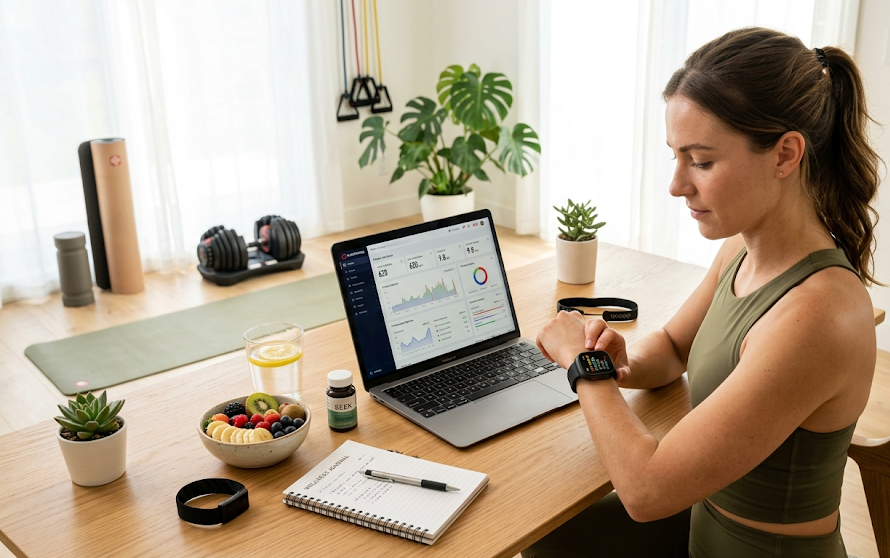
In today’s fast-paced world, people are constantly searching for ways to improve their health, boost productivity, enhance mental performance, and increase longevity. One concept that has gained significant attention over the last decade is biohacking. Once considered a niche practice for technology enthusiasts and wellness experts, biohacking has now entered the mainstream as more individuals seek science-backed methods to optimize their physical and mental well-being.
Biohacking is not about turning yourself into a machine or experimenting with dangerous procedures. At its core, it is the practice of making intentional lifestyle changes to improve how your body and brain function. These changes can be as simple as improving your sleep schedule, eating a healthier diet, tracking your fitness, or practicing mindfulness. More advanced biohackers may experiment with wearable technology, genetic testing, fasting protocols, or personalized nutrition plans under professional guidance.
Whether your goal is increased energy, sharper focus, better athletic performance, or healthy aging, understanding the principles of biohacking can help you make informed decisions about your health.
What Is Biohacking?
Biohacking refers to the practice of using science, technology, nutrition, and lifestyle modifications to optimize the body’s performance and overall health. The term combines “biology” and “hacking,” meaning finding ways to improve biological systems through experimentation and evidence-based strategies.
Unlike medical treatments designed to address diseases, biohacking focuses on enhancing everyday wellness and performance. Many biohacking practices involve tracking health metrics, adjusting daily habits, and measuring the results over time.
Examples of simple biohacks include:
- Drinking enough water every day
- Following a consistent sleep routine
- Exercising regularly
- Reducing processed foods
- Managing stress
- Monitoring heart rate or activity levels with wearable devices
These habits may seem ordinary, but when approached systematically, they form the foundation of effective biohacking.
The History of Biohacking
The idea of optimizing human performance is not new. Athletes, scientists, and health professionals have long explored methods to improve physical and mental abilities. However, the term “biohacking” became popular in the early 2000s, fueled by advances in wearable technology, genetic testing, and digital health tracking.
As smartphones and fitness devices became widely available, people gained access to tools that allowed them to monitor sleep, heart rate, calories, and physical activity in real time. Today, biohacking encompasses everything from basic wellness habits to cutting-edge technologies designed to support personalized healthcare.
Why Is Biohacking Becoming So Popular?
Several factors have contributed to the rise of biohacking.
Growing Interest in Preventive Health
Rather than waiting until health problems develop, many people now focus on preventing illness through healthier lifestyles.
Advances in Technology
Smartwatches, fitness trackers, and health apps make it easier than ever to monitor personal health data.
Increased Awareness of Mental Health
People recognize the importance of managing stress, improving sleep, and supporting cognitive performance.
Personalized Wellness
Instead of one-size-fits-all health advice, biohacking encourages individualized approaches based on personal goals and measurable results.
Types of Biohacking
Biohacking includes a wide variety of approaches, ranging from simple lifestyle improvements to more advanced techniques.
1. Nutritional Biohacking
Nutrition is one of the most accessible forms of biohacking.
Common strategies include:
- Increasing protein intake
- Reducing processed foods
- Eating more fruits and vegetables
- Tracking calorie intake
- Optimizing hydration
- Balancing macronutrients
Many individuals also experiment with meal timing to understand how different eating patterns affect their energy levels.
2. Sleep Optimization
Quality sleep is essential for recovery, memory, hormone regulation, and immune function.
Popular sleep biohacks include:
- Maintaining a consistent bedtime
- Limiting screen exposure before sleep
- Keeping the bedroom cool and dark
- Avoiding caffeine late in the day
- Tracking sleep quality using wearable devices
Improving sleep often provides one of the greatest overall health benefits.
3. Fitness Biohacking
Exercise remains one of the most effective ways to improve health.
Biohackers often use technology to monitor:
- Heart rate
- Recovery time
- Workout intensity
- Calories burned
- VO₂ max
- Daily activity levels
This data helps individuals optimize their training programs.
4. Cognitive Biohacking
Mental performance is another major focus.
Strategies include:
- Meditation
- Deep breathing exercises
- Brain-training activities
- Learning new skills
- Limiting distractions
- Time management techniques
These habits may improve concentration, memory, and productivity.
5. Wearable Technology
Wearable devices have transformed biohacking.
Popular examples include:
- Smartwatches
- Fitness bands
- Heart-rate monitors
- Sleep trackers
- Continuous glucose monitors (for appropriate medical or personal use)
These devices provide real-time insights that can guide healthier decisions.
Benefits of Biohacking
When practiced responsibly, biohacking can offer several potential benefits.
Increased Energy
Better nutrition, quality sleep, and regular exercise often lead to improved energy levels throughout the day.
Enhanced Focus
Reducing distractions and optimizing daily routines can improve concentration and productivity.
Better Physical Fitness
Tracking workouts and recovery helps many individuals achieve fitness goals more efficiently.
Improved Sleep Quality
Sleep optimization may enhance recovery, mood, and cognitive performance.
Weight Management
Monitoring eating habits and physical activity can support healthy weight loss or maintenance.
Health Awareness
Tracking health data encourages greater awareness of lifestyle habits and overall wellness.
Popular Biohacking Techniques
Some of the most widely practiced techniques include:
Intermittent Fasting
Alternating periods of eating and fasting according to a structured schedule.
Cold Exposure
Cold showers or ice baths are explored by some people to improve resilience and recovery, though research on specific benefits continues.
Breathwork
Controlled breathing exercises may reduce stress and improve focus.
Meditation
Regular mindfulness practice supports emotional well-being and concentration.
Journaling
Tracking habits, moods, and progress helps identify patterns that influence health.
Blue Light Reduction
Using screen filters or limiting device use before bedtime may support better sleep.
Biohacking and Nutrition
Food provides the foundation for optimal health.
A balanced biohacking diet typically emphasizes:
- Lean proteins
- Healthy fats
- Whole grains
- Colorful vegetables
- Fruits
- Nuts and seeds
- Adequate hydration
Rather than following extreme diets, many experts recommend sustainable eating habits that meet individual nutritional needs.
The Role of Exercise in Biohacking
Physical activity supports nearly every aspect of health.
Benefits include:
- Stronger muscles
- Better cardiovascular health
- Improved metabolism
- Increased bone density
- Reduced stress
- Enhanced brain function
Combining strength training, cardiovascular exercise, and flexibility work creates a well-rounded fitness routine.
Biohacking for Mental Performance
Many people pursue biohacking to improve cognitive function.
Helpful practices include:
- Reading regularly
- Learning new skills
- Maintaining healthy sleep habits
- Exercising consistently
- Practicing mindfulness
- Staying socially connected
Small daily improvements often produce meaningful long-term benefits.
Biohacking for Longevity
Healthy aging has become a major area of interest.
Lifestyle habits associated with long-term wellness include:
- Regular physical activity
- Balanced nutrition
- Stress management
- Quality sleep
- Avoiding tobacco
- Limiting alcohol
- Routine medical checkups
While no biohack can stop aging, these evidence-based habits support overall health throughout life.
Technology and the Future of Biohacking
Advancements in digital health continue to shape the future of biohacking.
Emerging innovations include:
- AI-powered health coaching
- Personalized nutrition platforms
- Smart fitness equipment
- Advanced sleep monitoring
- Continuous health tracking
- Digital health assistants
- Predictive wellness analytics
These tools may make personalized health management more accessible in the coming years.
Risks and Limitations of Biohacking
Although many biohacking practices are safe, not every trend is supported by strong scientific evidence.
Potential concerns include:
- Following unverified health advice
- Over-reliance on wearable data
- Excessive supplementation
- Ignoring professional medical guidance
- Unrealistic expectations
- Privacy concerns related to health data
When trying new wellness strategies, it’s important to evaluate credible research and consult qualified healthcare professionals when necessary.
Biohacking Myths
Myth 1: Biohacking Is Only for Tech Experts
Reality: Many biohacks involve simple habits like sleeping well, eating nutritious foods, and exercising regularly.
Myth 2: More Supplements Mean Better Results
Reality: Supplements cannot replace a balanced diet or healthy lifestyle.
Myth 3: Expensive Gadgets Are Required
Reality: Many effective biohacks cost little or nothing.
Myth 4: Results Are Instant
Reality: Sustainable improvements usually develop gradually through consistent habits.
How to Start Biohacking Safely
Beginners should focus on foundational habits rather than complex interventions.
A practical starting plan includes:
- Sleep 7–9 hours consistently.
- Eat a balanced diet rich in whole foods.
- Exercise at least 150 minutes per week.
- Drink enough water daily.
- Practice stress-management techniques.
- Track simple health metrics such as steps or sleep.
- Review progress and make gradual adjustments.
Consistency is more effective than constantly changing routines.
Sample Daily Biohacking Routine
Morning
- Wake up at the same time each day
- Drink water
- Stretch or exercise
- Eat a nutritious breakfast
- Spend a few minutes in natural daylight
Afternoon
- Stay hydrated
- Eat balanced meals
- Take short movement breaks
- Focus on productive work periods
Evening
- Light exercise or walking
- Reduce screen exposure before bed
- Read or meditate
- Maintain a consistent bedtime
Frequently Asked Questions
Is biohacking safe?
Many basic biohacking practices—such as improving sleep, nutrition, exercise, and stress management—are generally safe. More advanced approaches should be discussed with a healthcare professional.
Can beginners try biohacking?
Yes. Starting with healthy daily habits is the best way to explore biohacking.
Do I need expensive equipment?
No. Many effective biohacks require little or no financial investment.
Does biohacking help with productivity?
Healthy routines that improve sleep, physical activity, and stress management can support better focus and productivity.
Is biohacking scientifically proven?
Some biohacking strategies are supported by substantial scientific evidence, while others require more research. It’s important to distinguish evidence-based practices from unverified claims.
Conclusion
Biohacking is best understood as a personalized approach to improving health through intentional lifestyle choices, informed by science and, when useful, technology. It is not about finding a single shortcut or miracle solution but about making consistent, measurable improvements to daily habits.
For most people, the most effective biohacks are also the simplest: sleeping well, eating nutritious foods, exercising regularly, managing stress, and tracking progress over time. These evidence-based practices provide a strong foundation for better energy, improved focus, enhanced fitness, and long-term wellness.
As wearable technology, artificial intelligence, and personalized healthcare continue to evolve, biohacking will likely become even more accessible and data-driven. However, lasting results will always depend on sustainable habits, critical thinking, and a balanced approach. By focusing on proven strategies and avoiding unsupported trends, anyone can use biohacking principles to support a healthier, more productive, and more fulfilling life.