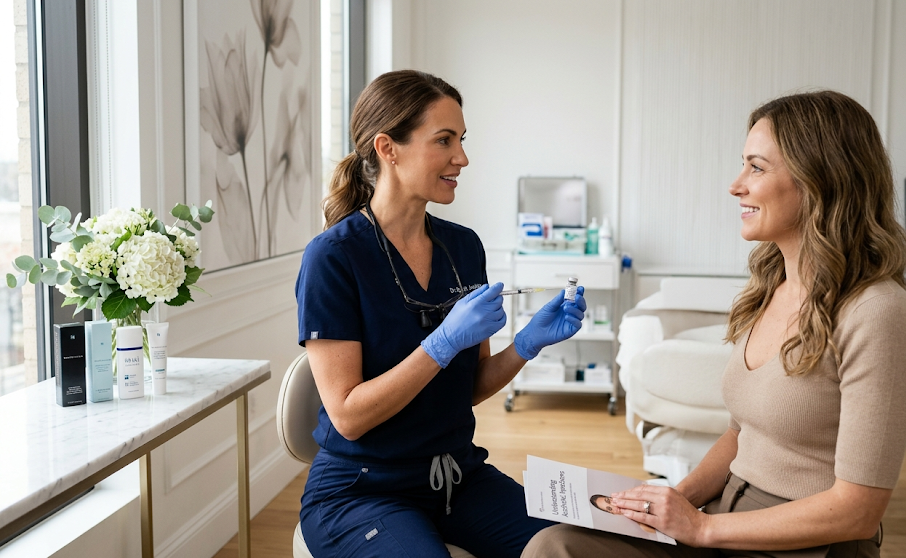
Botox has become one of the most popular cosmetic and medical treatments worldwide. Millions of people receive Botox injections every year to reduce wrinkles, prevent signs of aging, treat chronic migraines, control excessive sweating, and manage various medical conditions. Despite its widespread use and proven track record, Botox remains surrounded by myths, misconceptions, and misinformation.
Many people still believe Botox will freeze their face permanently, make them look unnatural, or cause serious health problems. These misconceptions often prevent individuals from exploring a treatment that could help them achieve their aesthetic goals or improve their quality of life.
The reality is that Botox is a highly researched treatment that has been used safely for decades when administered by qualified professionals. Understanding the facts behind the most common Botox myths can help you make informed decisions and separate fiction from reality.
What Is Botox?
Botox is a purified form of botulinum toxin type A. It works by temporarily blocking nerve signals that cause specific muscles to contract. When these muscles relax, wrinkles caused by repeated facial movements become less visible.
Botox is approved for both cosmetic and medical purposes, including:
- Reducing forehead lines
- Treating crow’s feet
- Softening frown lines
- Managing chronic migraines
- Treating excessive sweating
- Reducing muscle spasms
- Managing overactive bladder
- Treating certain eye disorders
Because of its versatility and effectiveness, Botox has become one of the most requested non-surgical cosmetic procedures worldwide.
How Botox Works
Every time you smile, squint, frown, or raise your eyebrows, facial muscles contract. Over time, these repeated movements create dynamic wrinkles.
Botox temporarily blocks communication between nerves and muscles. As a result:
- Targeted muscles relax
- Wrinkles soften
- New lines become less likely to form
- Facial appearance becomes smoother
The treatment is highly targeted and affects only the muscles that receive injections.
Myth #1: Botox Is Only for Cosmetic Purposes
One of the biggest misconceptions about Botox is that it exists solely for vanity.
The Truth
Botox has numerous medical applications that have improved the lives of millions of patients.
Doctors commonly use Botox to treat:
Chronic Migraines
Botox can help reduce the frequency and severity of migraines in people who suffer from chronic headaches.
Excessive Sweating
Individuals with hyperhidrosis often experience significant relief after Botox treatments.
Muscle Disorders
Botox is frequently used to treat muscle stiffness, spasms, and certain neurological conditions.
Eye Conditions
Some eye disorders involving involuntary muscle contractions can be effectively managed with Botox.
Its medical applications demonstrate that Botox is much more than a cosmetic enhancement tool.
Myth #2: Botox Creates a Frozen Face
Many people picture expressionless celebrities when they think about Botox.
The Truth
Properly administered Botox should not eliminate natural facial expressions.
Experienced providers focus on:
- Maintaining movement
- Preserving natural appearance
- Reducing wrinkles without overcorrection
Modern Botox techniques emphasize subtle enhancement rather than dramatic changes.
A frozen appearance typically results from excessive treatment or poor injection technique, not from Botox itself.
Myth #3: Botox Is Permanent
Some people avoid Botox because they believe the results will last forever.
The Truth
Botox is completely temporary.
Most Botox treatments last between:
- 3 to 4 months for cosmetic use
- 4 to 6 months for some medical treatments
Eventually, the body naturally metabolizes the product, and muscle activity gradually returns.
This temporary nature allows patients to adjust future treatments based on their preferences.
Myth #4: Botox Is Addictive
Another common concern is that people become physically addicted to Botox.
The Truth
Botox does not contain addictive substances.
There is no physical dependency associated with Botox treatments.
However, some individuals continue treatments because they enjoy:
- Smoother skin
- Improved confidence
- Reduced wrinkles
- Consistent results
This is similar to maintaining a skincare routine or regular hair appointments rather than addiction.
Myth #5: Botox Treatments Are Extremely Painful
Fear of needles often discourages people from trying Botox.
The Truth
Most patients report only minor discomfort.
The procedure typically involves:
- Tiny needles
- Quick injections
- Minimal downtime
Many patients describe the sensation as a small pinching feeling that lasts only a few seconds.
The entire treatment often takes less than 20 minutes.
Myth #6: Botox Is Only for Older Adults
Many assume Botox is exclusively for people over 50.
The Truth
Botox patients come from a wide range of age groups.
Some younger adults choose preventative Botox to reduce repetitive muscle movement before deep wrinkles develop.
People in their:
- Late 20s
- 30s
- 40s
- 50s
- 60s and beyond
may all benefit depending on their individual goals and concerns.
The decision depends more on skin condition and muscle activity than age alone.
Myth #7: Anyone Can Administer Botox
Discount offers and social media advertisements may create the impression that Botox is simple to administer.
The Truth
Botox should only be administered by qualified medical professionals with proper training.
Facial anatomy is complex and requires expertise.
Choosing an experienced provider helps ensure:
- Safe treatment
- Natural results
- Proper dosage
- Reduced complications
Low-cost treatments from unqualified individuals may increase risks and lead to unsatisfactory outcomes.
Myth #8: Botox Results Are Immediate
Many first-time patients expect to see dramatic changes right after treatment.
The Truth
Botox requires time to take effect.
Most patients begin noticing improvements within:
- 3 to 5 days
Full results usually appear within:
- 10 to 14 days
Patience is important during the post-treatment period.
The gradual onset often contributes to natural-looking results.
Myth #9: Everyone Will Know You Had Botox
Many people worry that friends, family, or coworkers will immediately notice.
The Truth
Well-executed Botox treatments often go unnoticed.
People may simply observe that you look:
- Rested
- Refreshed
- More youthful
- Less tired
Natural-looking results are the goal of modern aesthetic treatments.
The best Botox treatments enhance appearance without drawing attention to the procedure itself.
Myth #10: Botox Is Dangerous Because It’s a Toxin
The word “toxin” understandably causes concern.
The Truth
Botox uses highly purified botulinum toxin in extremely small, controlled doses.
Medical professionals have safely used Botox for decades.
The treatment undergoes rigorous manufacturing and quality control processes.
When administered correctly, Botox has an excellent safety profile supported by extensive clinical research.
As with any medical procedure, risks exist, but serious complications are rare when treatment is performed by qualified professionals.
Benefits of Botox Treatment
Botox offers numerous advantages beyond wrinkle reduction.
Cosmetic Benefits
- Smoother skin
- Reduced forehead lines
- Softer crow’s feet
- Improved facial symmetry
- Prevention of deeper wrinkles
Medical Benefits
- Migraine relief
- Reduced sweating
- Muscle spasm management
- Improved quality of life
- Enhanced comfort in daily activities
Who Is a Good Candidate for Botox?
Ideal candidates often include individuals who:
- Have dynamic wrinkles
- Are in good overall health
- Have realistic expectations
- Want non-surgical facial rejuvenation
- Seek preventative anti-aging treatments
A consultation with a qualified provider can determine whether Botox is appropriate for your specific goals.
Possible Side Effects
Although Botox is generally safe, some mild side effects can occur.
Common side effects include:
- Temporary redness
- Mild swelling
- Bruising
- Tenderness at injection sites
- Minor headaches
Most side effects resolve within a few days.
Serious complications are uncommon when treatment is performed properly.
How to Choose the Right Botox Provider
Selecting the right practitioner is one of the most important decisions.
Look for providers who:
- Have medical qualifications
- Possess extensive Botox experience
- Understand facial anatomy
- Offer consultations
- Provide realistic expectations
- Use authentic products
Avoid choosing providers based solely on price.
Quality and expertise should always come first.
Botox vs Other Cosmetic Treatments
Botox
Best for dynamic wrinkles caused by muscle movement.
Dermal Fillers
Best for restoring lost volume and contour.
Laser Treatments
Best for improving skin texture and pigmentation.
Chemical Peels
Best for surface-level skin rejuvenation.
Many patients combine treatments for comprehensive facial rejuvenation.
Tips Before Your Botox Appointment
To prepare for treatment:
- Stay hydrated
- Avoid alcohol before treatment
- Discuss medications with your provider
- Arrive with clean skin
- Ask questions during consultation
Proper preparation helps ensure the best possible experience.
Aftercare Tips
Following treatment:
- Avoid rubbing treated areas
- Remain upright for several hours
- Follow provider instructions
- Avoid strenuous exercise temporarily
- Attend follow-up appointments if recommended
Good aftercare can optimize results and minimize side effects.
The Future of Botox Treatments
Botox continues to evolve as researchers discover new applications and refine techniques.
Emerging trends include:
- Personalized treatment plans
- Preventative Botox
- Micro-Botox techniques
- Combination therapies
- Advanced injection methods
As technology advances, treatments are becoming increasingly precise and natural-looking.
Conclusion
Botox remains one of the most misunderstood cosmetic treatments available today. Despite persistent myths about frozen faces, addiction, permanence, and safety concerns, scientific evidence and decades of clinical experience tell a very different story.
When administered by qualified professionals, Botox can safely and effectively reduce wrinkles, improve facial appearance, and even treat several medical conditions. The key is understanding the facts, choosing an experienced provider, and maintaining realistic expectations.
Rather than relying on rumors and outdated misconceptions, prospective patients should educate themselves using credible information and consult trained medical experts. Botox is not a miracle cure, nor is it the frightening treatment some myths suggest. It is simply a proven medical and cosmetic tool that, when used correctly, can deliver impressive and natural-looking results.
Frequently Asked Questions
1. How long does Botox last?
Most cosmetic Botox treatments last between three and four months, although results can vary depending on the individual and treatment area.
2. At what age should someone start Botox?
There is no specific age requirement. Some people begin preventative Botox in their late 20s or 30s, while others start later when wrinkles become more noticeable.
3. Can Botox make wrinkles worse after it wears off?
No. Once Botox wears off, muscles gradually return to their normal function. Wrinkles simply return to their previous appearance and do not become worse because of treatment.
4. Is Botox safe for long-term use?
Yes. Botox has been studied extensively and has demonstrated a strong safety record when administered by qualified healthcare professionals over long periods.
5. How soon can I return to normal activities after Botox?
Most people return to work and daily activities immediately after treatment. However, providers may recommend avoiding intense exercise and rubbing treated areas for several hours.